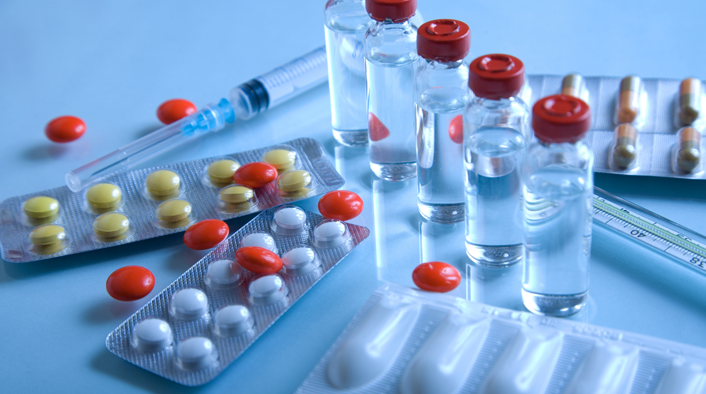
Medical IoT
Medical IoT refers to interconnected medical devices and systems that collect and transmit health data for monitoring, diagnosis, and treatment purposes. Examples include wearable health monitors, smart insulin pumps, and connected diagnostic equipment. Cybersecurity in Medical IoT is crucial to prevent unauthorized access, data breaches, and potential harm to patients. Implementing standards such as ISO/IEC 27001, NIST SP 800-53, and the FDA’s Cybersecurity Guidance for Medical Devices helps ensure the security and integrity of these devices. These standards provide guidelines for risk management, secure software development, and incident response, ensuring the safe and reliable operation of Medical IoT devices.

Hospitals & Medical Systems
Hospitals and medical systems rely on a complex network of OT and IT systems to manage patient care, administrative functions, and medical records. Key systems include Electronic Health Records (EHR), Picture Archiving and Communication Systems (PACS), and Hospital Information Systems (HIS). Cybersecurity in hospitals is vital to protect sensitive patient data, ensure the availability of medical services, and maintain trust in healthcare providers. Adhering to standards such as ISO/IEC 27001, NIST SP 800-66, and HIPAA Security Rule is essential for securing hospital systems. These frameworks guide the implementation of comprehensive security measures, including risk assessments, access controls, and incident response plans, to safeguard hospital operations against cyber threats.
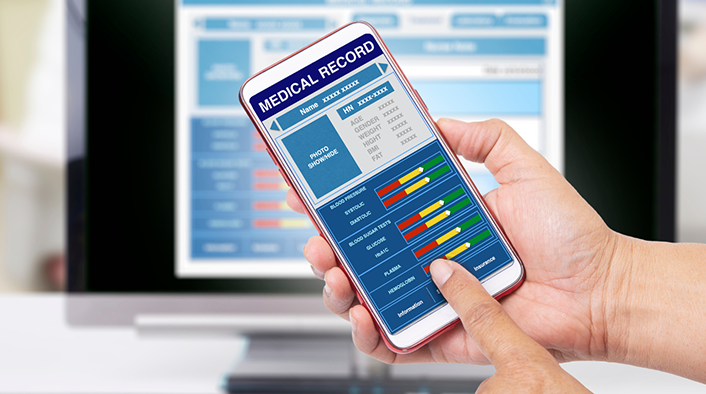
Smart Health Care
Smart healthcare involves the use of advanced technologies such as artificial intelligence, big data analytics, and telemedicine to enhance the delivery of healthcare services. This includes remote patient monitoring, predictive analytics for disease prevention, and personalized treatment plans. Cybersecurity in smart healthcare is critical to protect patient data, ensure the accuracy of medical information, and prevent disruptions to healthcare services. Implementing standards such as ISO/IEC 27001, NIST Cybersecurity Framework (CSF), and the Health Information Trust Alliance (HITRUST) Common Security Framework helps secure smart healthcare systems. These standards provide a structured approach to managing cybersecurity risks, protecting sensitive data, and ensuring the reliability of smart healthcare solutions.
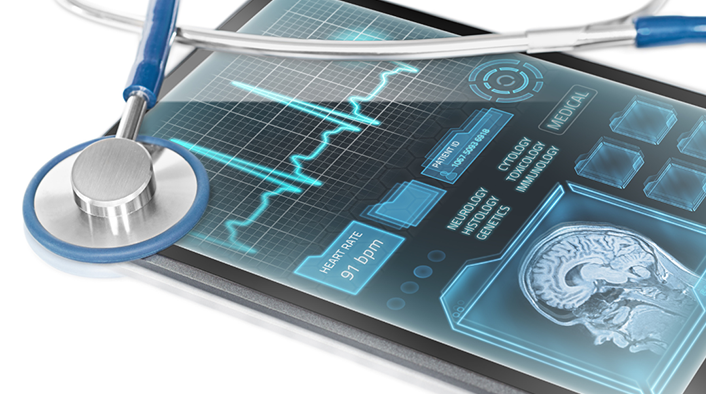
Pharmaceuticals
The pharmaceutical sector involves the research, development, manufacturing, and distribution of drugs and medical treatments. This sector relies on OT systems such as Manufacturing Execution Systems (MES), Laboratory Information Management Systems (LIMS), and automated production equipment. Ensuring cybersecurity in pharmaceuticals is essential to protect intellectual property, ensure the integrity of manufacturing processes, and comply with regulatory requirements. Adhering to standards such as ISO/IEC 27001, NIST SP 800-53, and the Good Automated Manufacturing Practice (GAMP) guidelines helps secure pharmaceutical operations. These frameworks provide comprehensive strategies for protecting critical systems, conducting vulnerability assessments, and developing incident response plans, ensuring the resilience of pharmaceutical production and distribution against cyber threats.